
Stroke Care at Home: 7 Powerful Ways Home Health Care Supports Recovery
Stroke Care at Home: 7 Powerful Ways Home Health Care Supports : Recovery Stroke care at home is often the best way to help a person recover safely, comfortably, and with dignity after a stroke. With the right home health care services, families can create a supportive environment that promotes healing, independence, and peace of mind.
Table of Contents
- What Stroke Care at Home Means
- Why Home Health Care Matters
- Services That Help Recovery
- How Families Can Support Healing
- Safety Tips for the Home
- When to Get Professional Help
- Conclusion
What Stroke Care at Home Means
Stroke care at home refers to the care and support a stroke survivor receives in their own home after discharge from the hospital or rehabilitation center. This care may include help with bathing, dressing, meals, mobility, medication reminders, and therapy exercises.
It is designed to make recovery more manageable while reducing stress for both the patient and family. Many people also feel more motivated and comfortable healing in familiar surroundings. Read more on Stroke – American Stroke Association / CDC Stroke Information
Why Home Health Care Matters
Home health care services play a major role in stroke recovery because they bring support directly to the patient. This can be especially helpful when a person has weakness, speech difficulty, balance issues, or memory challenges after a stroke.
Professional caregivers can reduce the risk of falls, missed medications, and complications during recovery. They also give family members relief, knowing their loved one is getting consistent care.
Services That Help Recovery
Stroke care at home can include many types of support depending on the person’s condition and needs. Common services include personal care, nursing support, rehabilitation exercises, and companionship.
Personal Care Support
Caregivers can assist with bathing, grooming, toileting, dressing, and eating. These daily tasks may become difficult after a stroke, so hands-on help can preserve dignity and comfort. Home Health Care Services by 1st Choice Home Health care Services Ltd.
Medication Reminders
Taking medication on time is important after a stroke. Home health care staff can remind patients about prescriptions and help keep a regular routine.
Mobility Assistance
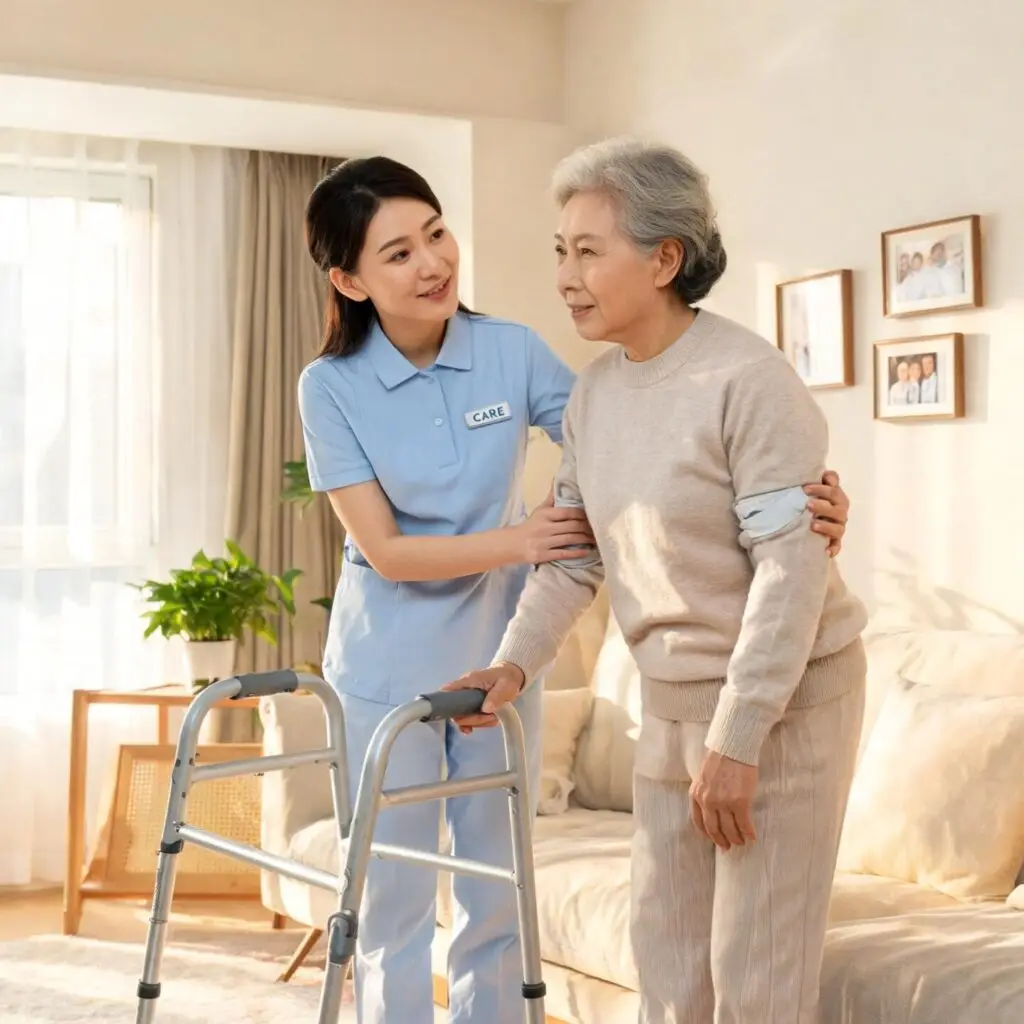
Walking, standing, and moving safely around the home may be challenging. A caregiver can help with transfers, positioning, and safe movement to reduce fall risk.
Therapy Support
Home-based support can reinforce exercises recommended by physical, occupational, or speech therapists. Repeating these exercises consistently often improves recovery outcomes over time.
How Families Can Support Healing
Family members play an important role in stroke care at home. Simple actions like keeping a daily routine, encouraging therapy, and offering emotional support can make recovery feel less overwhelming.
It also helps to keep communication open with the care team. Families should share any changes in mood, strength, speech, appetite, or behavior right away.
Safety Tips for the Home
A safe home environment is essential for stroke recovery. Remove loose rugs, improve lighting, and keep walkways clear to lower the chance of accidents.
Install grab bars in the bathroom, use non-slip mats, and keep frequently used items within easy reach. If needed, a home health care professional can also recommend more safety changes.
When to Get Professional Help
Stroke care at home should always be guided by medical advice and ongoing observation. If the survivor has worsening weakness, new confusion, speech changes, or trouble swallowing, medical help should be sought quickly.
Professional home health care services are also helpful when family caregivers feel overwhelmed. A trained caregiver can provide dependable support while helping the patient recover with confidence.
Conclusion
Stroke care at home gives survivors the chance to heal in a familiar place while receiving the help they need. With home health care services, families can build a safer, more supportive recovery plan that promotes independence and better quality of life. Stroke Care at Home: 7 Powerful Ways Home Health Care Supports Recovery : Find strock care at home near you :
Stroke Care at Home: 7 Powerful Ways Home Health Care Supports Recovery
- Personal Care Support
- Medication Reminders
- Mobility Assistance
- Therapy Support
- How Families can support Healing
- Safety Tips for Home Health
- When to Get Professional Help